
So you bought a van halfway across the country… what now?
Do you fly out and drive it home? Fly your cousin Eddie out to drive it back? Or do you ship it safely home and start your vanlife journey from your driveway—not a random gas station in Kansas?
Yes, it’s tempting to hop in your new rig and hit the open road immediately. But your first trip should be something fun—a weekend getaway where you have time to pack your gear, dial in your setup, and learn your systems, not a multi-day commute starting the minute you land.
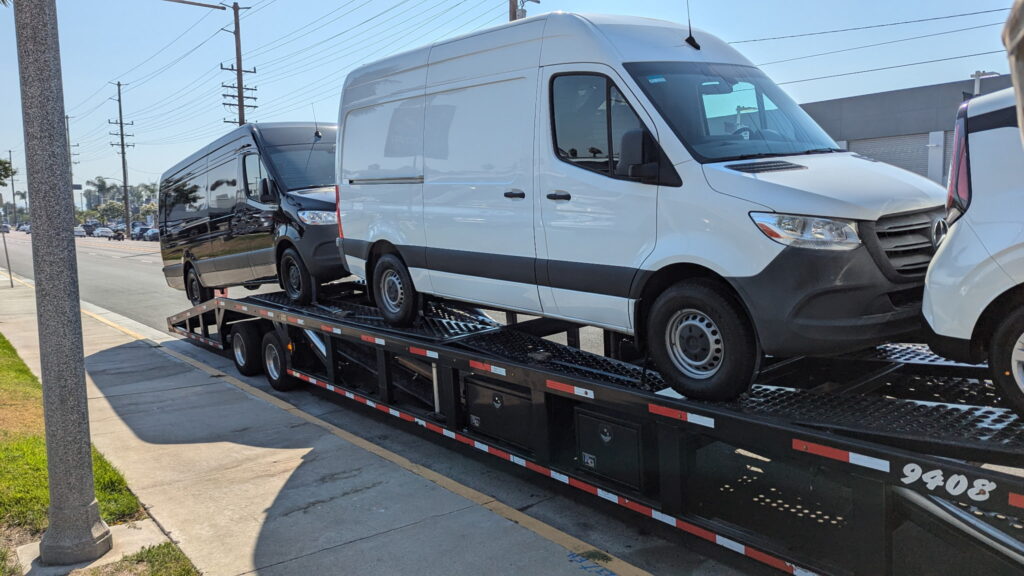
Buying a van in winter is great- driving it across the country is not, so let the pros handle it! At Vanlife Trader, we want you to feel confident buying vans from anywhere in the country. That means understanding your options for transporting a vehicle that’s tall, heavy, customized, and important to you. We’ve recently partnered with a trusted shipping company to help our buyers bring vans home safely!
Should You Ship Your Van? Pros & Cons
Pros
- Saves days of time
- Allows you to do your first trip on your own terms
- Avoids hotel, food, and fuel expenses on a multi-day retrieval trip
- Prevents wear and tear and possible breakdowns
- Keeps extra miles off your van which means less maintenance cost
Cons
- Cost — shipping is almost always more expensive than driving it home
For many VLT buyers, the convenience + reduced wear and tear makes shipping the smarter move—especially when the van is several states away. All things considered, shipping may not cost you THAT much more than driving it back.
Shipping a Van You Haven’t Seen Yet
Many buyers ship their van home before ever seeing it in person. That’s normal, but it should be done safely.
We strongly recommend:
- Reading our Safe Transactions guide
- Using escrow through our trusted partner, KeySavvy.
Escrow protects both parties, ensures the title is clean, and keeps your funds secure until everything checks out.
Once payment is verified and paperwork is good, then book your transport.
Step One: Find a Legit Broker
Vans aren’t regular cars—they’re taller, heavier, and often modified with racks, bumpers, tires, batteries, and interior builds. A standard auto transporter isn’t always equipped.
The good news is:
Vanlife Trader has already vetted a broker we personally trust with our VANlives, enter, VS30 Transport.

They’re familiar with Sprinters, Transits, Promasters, high roofs, long wheelbases, and the unique considerations that come with camper vans.
Step Two: Get a Quote (What Actually Matters)
A van shipping quote depends on:
- Distance
- Vehicle weight
- Vehicle height
- Route demand
- Open vs enclosed carrier
- Your timing and flexibility
Not sure about your van’s weight? Here’s a quick way to estimate it.
Base vehicle weights:
- Sprinter High Roof 170: 6,000–6,400 lbs
- Ford Transit High Roof EL: 5,600–6,200 lbs
- Ram Promaster 159: 4,800–5,100 lbs
Add your build + extras:
- Light build: +700–1,200 lbs
- Medium build: +1,200–2,000 lbs
- Heavy build: +2,000–3,000 lbs
Example:
Sprinter 170 (6,200 lbs) + medium build (1,800 lbs) + rack/tires (300 lbs) = ~8,300 lbs
If you don’t know the exact weight, your broker will help you get close enough for an accurate quote. And remember! These are rough estimates for shipping costs- quotes can vary with route, delivery location and timing.
Timing Tips (This Is Where Most People Get Surprised)
Shipping can be fast, but here’s the honest truth from someone who has done this dozens of times:
- Pickup windows are often 24–48 hours, not exact
- Delivery times are estimates
- Drivers’ routes change quickly due to weather, traffic, and other cars they’re transporting
- Flexibility saves you money and headaches
Give yourself extra time on pickup and drop-off days. Don’t schedule the handoff around flights, meetings, or tight deadlines.
Inspection: Know What a Shipper Is and Isn’t Responsible For
Shippers are responsible for:
- The exterior condition during transport
- Damage caused during loading/unloading
Shippers are not responsible for:
- Mechanical issues
- Electrical problems
- Build quality or workmanship
- “This van isn’t what I expected” issues
If something about the build or mechanical condition surprises you, that’s between you and the seller. The shipper is simply the transport provider.
Do your due diligence before the van is loaded.
How Much Does Camper Van Shipping Cost?
A safe, rough estimate is:
$1.00–$1.50 per mile
Examples:
- 500 miles → ~$600–$800
- 1,500 miles → ~$1,500–$2,200
- Coast-to-coast → ~$2,000–$3,000+
Final Thoughts: Shipping Your Van the Smart Way
Buying a van across the country shouldn’t limit your options. With the right broker, shipping is simple, safe, and surprisingly smooth.
Your quick checklist:
- Protect your money → Use KeySavvy escrow
- Transport your van → VS30 Transport
- Prep for pickup windows → Build in buffer time
- Reduce future maintenance → Save your van’s miles for real adventures
Start your vanlife journey at home—not in a cross-country commute.